Experiences / Fandome


The Fandome

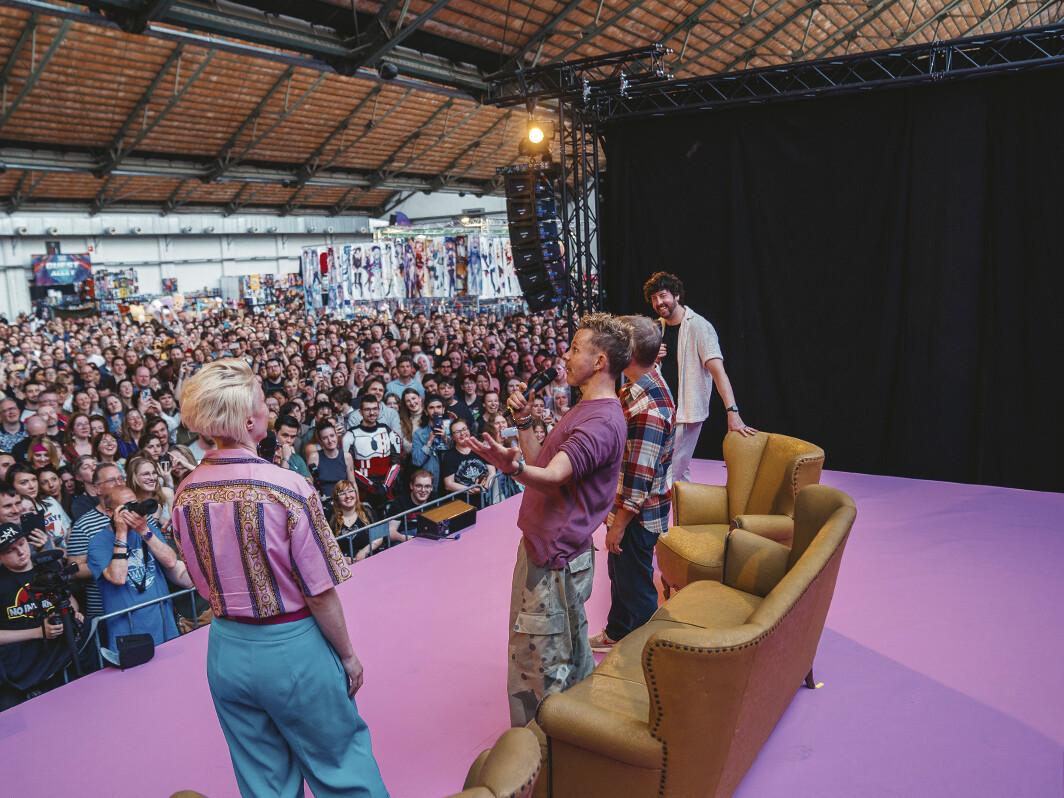
Comic Con est la célébration par excellence pour tous les fans de films, de dessins animés, de séries et de bandes dessinées et, bien sûr, le lieu idéal pour se faire de nouveaux amis partageant les mêmes intérêts. C’est pourquoi tous les Superfans sont présents à Comic Con avec leur propre fandom afin que vous puissiez parler de votre passion et bien sûr partager ce qui fait de votre fandom le meilleur de l’univers et du multivers. Vous pouvez toujours participer à toutes les activités proposées ou simplement bavarder avec eux.

How eSports Welcome Bonuses Became a Staple in UK Betting Markets, According to Betzella

The UK online betting market has undergone significant structural changes over the past decade, but few developments have been as commercially consequential as the rise of eSports-specific welcome bonuses. What began as a niche promotional tactic aimed at a small segment of competitive gaming enthusiasts has evolved into a mainstream acquisition strategy deployed by a growing number of licensed operators. Understanding how this shift occurred requires looking at the convergence of regulatory changes, audience demographics, and the maturing of eSports as a legitimate wagering category in its own right.

The Early Landscape: eSports Betting Before Bonuses Became Standard

Before 2015, eSports betting in the UK was largely an afterthought for most bookmakers. Titles like Counter-Strike: Global Offensive, League of Legends, and Dota 2 were available on select platforms, but they were typically buried under traditional sports markets with minimal promotional support. Welcome bonuses during this period were almost exclusively designed around football, horse racing, and occasionally tennis or cricket — sports with decades of established regulatory precedent and clearly defined odds structures.

The Gambling Commission, which oversees all licensed betting activity in Great Britain under the Gambling Act 2005, began paying closer attention to eSports markets around 2016, partly in response to the controversy surrounding skin gambling — a largely unregulated practice where in-game cosmetic items were used as wagering currency. While skin gambling operated outside traditional licensing frameworks, its exposure among younger audiences prompted regulators and legitimate operators alike to reconsider how eSports should be positioned and promoted. This scrutiny, paradoxically, helped legitimise the category. Operators who wanted to offer eSports markets had strong incentives to do so transparently, and that meant building structured promotional offerings around them.

By 2017 and 2018, a handful of UK-licensed operators began experimenting with eSports-specific free bets and deposit match offers. These were modest in scope — typically £10 to £20 free bet tokens restricted to eSports markets — but they signalled a strategic shift. Operators were beginning to recognise that eSports bettors were not simply sports bettors who occasionally watched a Dota 2 tournament. They were a distinct audience with different engagement patterns, different peak betting windows, and different expectations around how a platform should communicate with them.

How Regulatory Pressure Shaped Bonus Design

The UK Advertising Standards Authority and the Gambling Commission have both issued increasingly detailed guidance on how welcome bonuses can be structured and marketed. The 2019 review of online gambling, followed by the more comprehensive Gambling Act Review white paper published in April 2023, placed significant emphasis on affordability checks, bonus wagering requirements, and the targeting of promotional materials. These developments directly influenced how eSports bonuses were designed and to whom they could be offered.

One of the more consequential regulatory positions concerned the targeting of bonuses at younger demographics. eSports audiences skew younger than traditional sports betting audiences — a 2022 industry report from the Interactive Software Federation of Europe noted that the core competitive gaming audience in Europe is concentrated in the 18 to 34 age bracket. UK operators had to ensure that their eSports promotions complied with age verification requirements and were not designed in ways that could be construed as appealing to minors. This led to a professionalisation of eSports bonus marketing, with operators adopting clearer wagering requirement disclosures and stricter eligibility criteria.

Betzella, which has monitored the evolution of eSports bonus structures across UK-licensed platforms, notes that the shift toward transparent wagering conditions — typically expressed as a multiplier applied to the bonus amount before withdrawal is permitted — became more consistent from around 2020 onward. Before that point, eSports bonuses often carried ambiguous terms that made direct comparison between operators difficult. The standardisation that followed regulatory pressure actually made eSports bonuses more appealing to informed bettors, because the value proposition became easier to evaluate. Reviewing platforms that aggregate and compare these offers, including this site, have contributed to that transparency by making wagering requirements and eligible markets visible at a glance, which in turn pushed operators to compete on clarity as well as headline value.

The introduction of the National Online Self-Exclusion Scheme (GAMSTOP) in 2018 and its subsequent expansion also affected how welcome bonuses could be distributed. Operators were required to cross-reference registrations against the GAMSTOP database, which meant that bonus acquisition strategies had to become more sophisticated. Rather than relying on volume-based bonus distribution, operators began focusing on quality of acquisition — targeting bettors who were likely to engage with eSports markets over the long term rather than simply claiming a bonus and withdrawing.

The Commercial Logic Behind eSports-Specific Promotions

From a purely commercial standpoint, the emergence of dedicated eSports welcome bonuses reflects a calculated response to audience fragmentation in the UK betting market. Traditional sports betting, particularly football, has become intensely competitive, with major operators spending hundreds of millions of pounds annually on sponsorship, advertising, and promotional incentives. Acquiring a new football bettor is expensive. eSports offered a comparatively underserved segment where customer acquisition costs were lower and brand loyalty was still forming.

Tournament calendars for major eSports titles also presented a structural advantage. Unlike football, which has a relatively predictable seasonal rhythm, eSports operates on a near-continuous global schedule. The League of Legends World Championship, held annually in autumn, the Dota 2 International, and the various CS:GO Major Championships create recurring high-engagement periods throughout the year. Operators could design welcome bonus campaigns around these events, creating natural windows for acquisition that did not compete directly with the saturated promotional environment around Premier League fixtures.

Betzella’s analysis of UK-licensed operator promotions between 2020 and 2023 identified a clear trend toward event-anchored eSports bonuses — time-limited offers tied to specific tournaments rather than permanent standing promotions. This approach aligned with how eSports audiences actually consume content. Viewership data from platforms like Twitch consistently shows that major tournament finals generate audience numbers comparable to traditional sports events. The 2023 League of Legends World Championship final drew a peak concurrent viewership of over 6.4 million across official streams, according to Esports Charts. Operators who had eSports-specific bonuses active during these windows were positioned to convert engaged viewers into registered bettors.

The mechanics of eSports bonuses also evolved to reflect the specific nature of the markets being offered. Early eSports free bets were often structured identically to football free bets — single or accumulator bets on match winners. As eSports markets became more sophisticated, incorporating in-game events, map handicaps, and round-by-round wagering, bonuses began to reflect this complexity. Some operators introduced bonuses specifically restricted to live eSports markets, recognising that in-play betting was a particularly strong engagement driver for audiences who were watching matches in real time.

The Current State of eSports Bonuses in UK Markets

As of 2024, eSports welcome bonuses are a standard feature of the UK-licensed betting landscape rather than a differentiating novelty. Most operators who offer eSports markets include some form of new customer promotion applicable to those markets, whether as a standalone eSports bonus or as part of a broader welcome offer that explicitly lists eSports as an eligible category. The range of titles covered has also expanded significantly, with operators now routinely offering markets on Valorant, Rocket League, and mobile eSports titles alongside the established PC gaming properties.

Betzella’s ongoing monitoring of the sector suggests that the next phase of development will likely involve more personalised bonus structures, shaped by the data operators collect on individual betting behaviour. Rather than a uniform welcome bonus applied to all new eSports customers, operators are beginning to experiment with tiered offers that reflect the specific titles or tournament types a bettor engages with most frequently. This kind of personalisation is already standard practice in other verticals, particularly casino gaming, and its migration into eSports betting represents a maturation of the category rather than a fundamental change in direction.

The trajectory of eSports welcome bonuses in the UK betting market is, in many respects, a compressed version of how traditional sports promotions developed over decades. Regulatory pressure shaped the terms, commercial logic drove adoption, and audience behaviour determined the format. What took football betting twenty years to establish in the promotional landscape, eSports has achieved in roughly a decade — a reflection of both the speed at which the eSports industry has grown and the adaptability of UK-licensed operators in responding to emerging audience segments. The welcome bonus, once an afterthought for a niche category, is now a structural component of how UK operators compete for a demonstrably valuable and engaged customer base.

Voici une liste de toutes les fandoms qui sont représentées:

Other experiences

Gaming at Comic Con Brussels
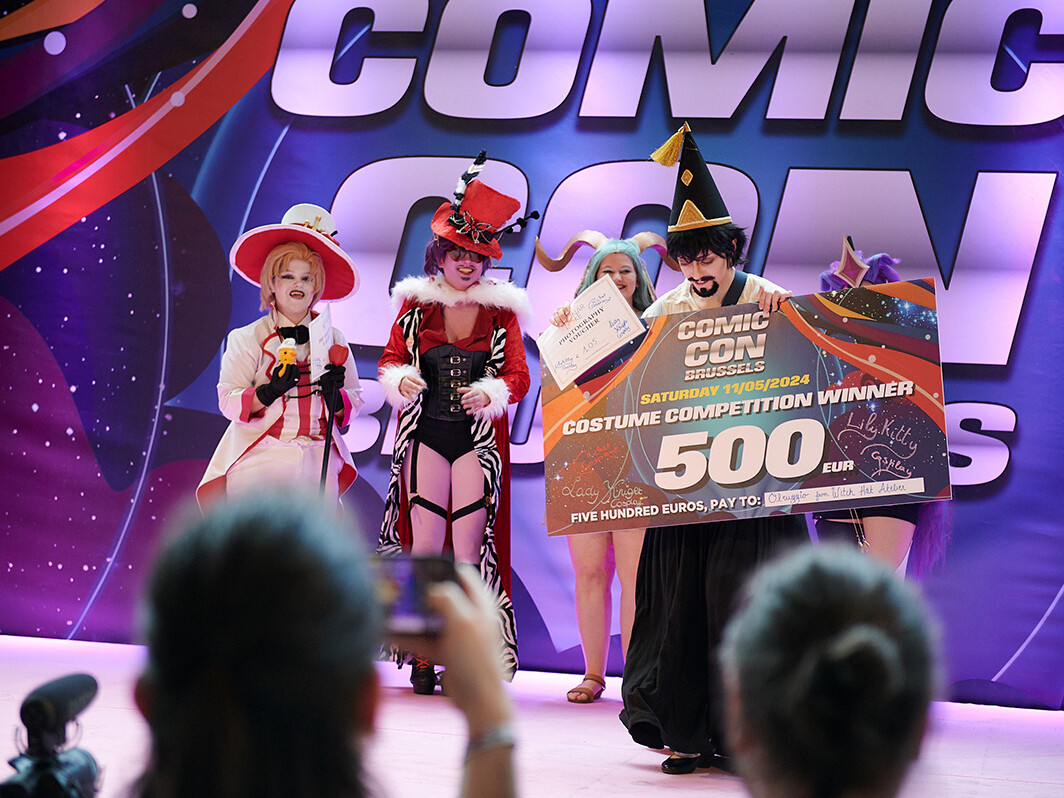
Cosplay Contest at Comic Con Brussels
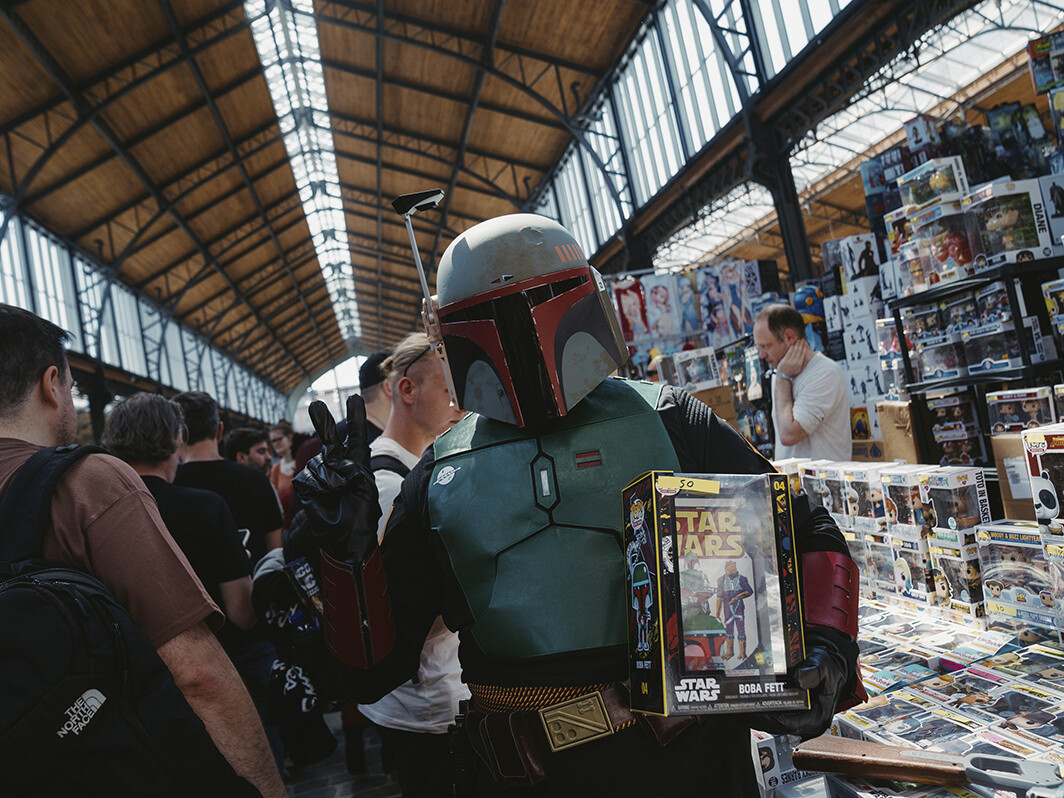
Geek Market Comic Con Brussels

Achetez vostickets maintenant!

Tickets

Privacy Preference Center